> ## Documentation Index
> Fetch the complete documentation index at: https://docs.flashduty.com/llms.txt
> Use this file to discover all available pages before exploring further.
# Jiankongbao Alert Events
> Sync Jiankongbao alert events to Flashduty via webhook for automated alert noise reduction
Sync Jiankongbao alert events to Flashduty via webhook for automated alert noise reduction.
## In Flashduty
***
You can obtain an integration push URL through either of these two methods:
### Using Private Integration
Choose this simpler option when you don't need to route alert events to different channels.
Expand
1. Go to the Flashduty console, select **Channel**, and enter a specific channel's details page
2. Select the **Integration** tab, click **Add Integration** to enter the integration page
3. Choose **Jiankongbao** integration and click **Save** to generate a card
4. Click the generated card to view the **push URL**, copy it for later use, and you're Done
### Using Shared Integration
Choose this option when you need to route alerts to different channels based on the alert event's payload information.
Expand
1. Go to the Flashduty console, select **Integration Center=>Alert Events** to enter the integration selection page
2. Select **Jiankongbao** integration:
* **Integration Name**: Define a name for this integration
3. Configure the default route and select the corresponding channel (after the integration is created, you can go to `Route` to configure more routing rules)
4. Click **Save** and copy the newly generated **push URL** for later use
5. Done
## In Jiankongbao
***
## I. Jiankongbao Alert Push Configuration
### Step 1: Configure Alert Channel
1. Log in to the Jiankongbao console
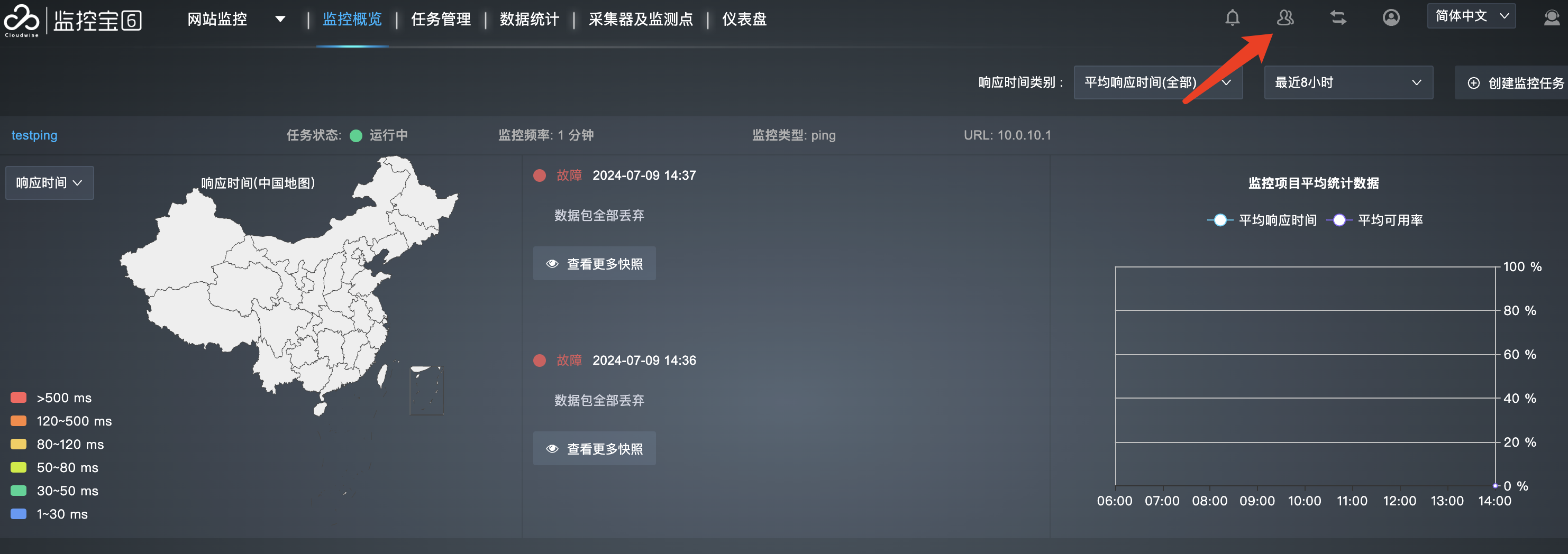
2. Click Personal Configuration in the upper right corner
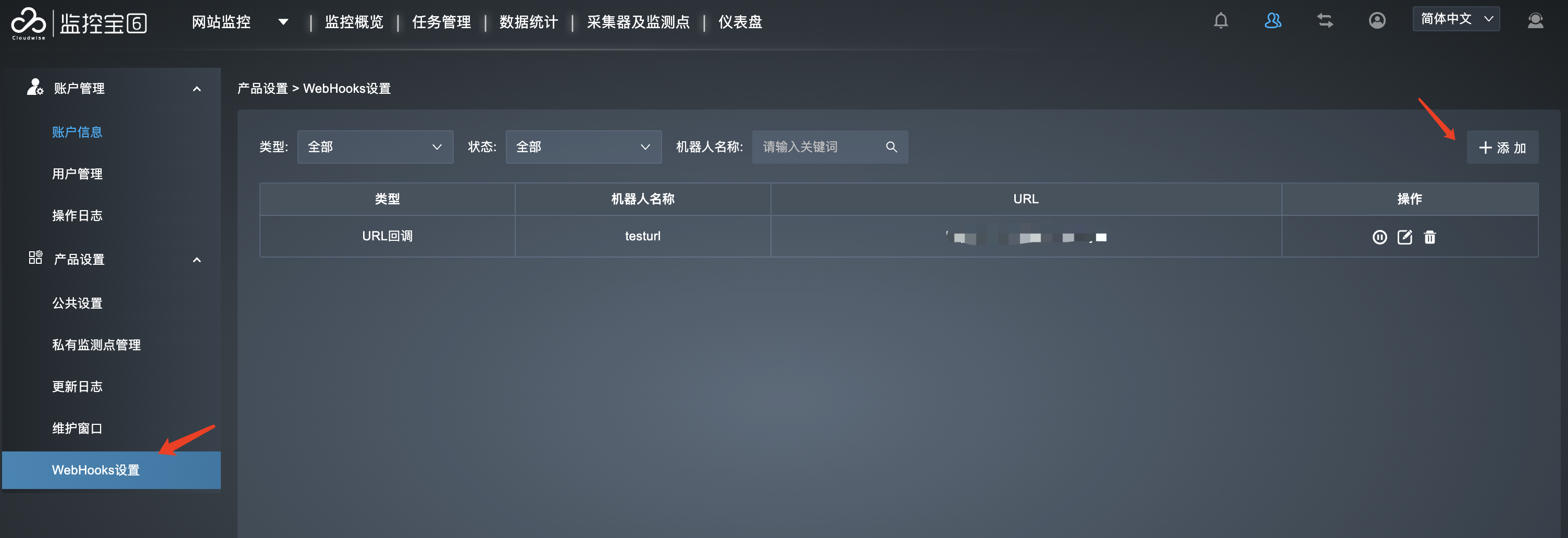
3. Click Webhooks Settings in the left navigation bar, then click Add and select URL Callback
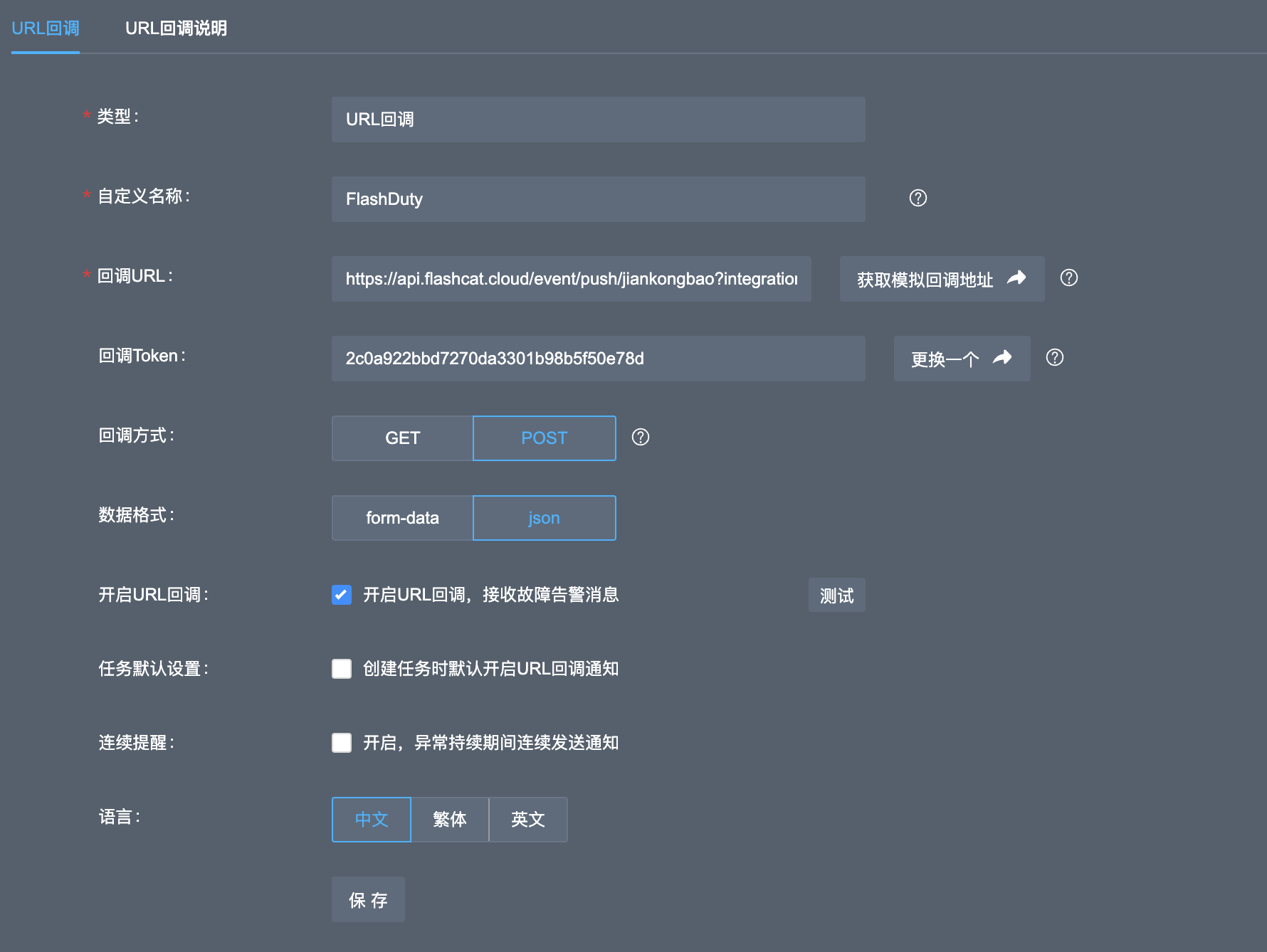
4. Enter Flashduty as the custom name, and input the copied integration push URL
5. Select **POST** as the callback method and **JSON** as the data format
6. Check **Enable URL Callback**, configure other options as needed, refer to the image below
7. Click Save
### Step 2: Use Flashduty Alert Channel in Monitoring Tasks
1. Create or edit an existing monitoring task
2. Other alert configurations are omitted here
3. Under Webhook notification, select the Flashduty channel

4. Save the monitoring task to complete
| Jiankongbao | Flashduty | Status |
| ----------- | --------- | ------- |
| 1 | Warning | Warning |
| 2 | Info | Info |